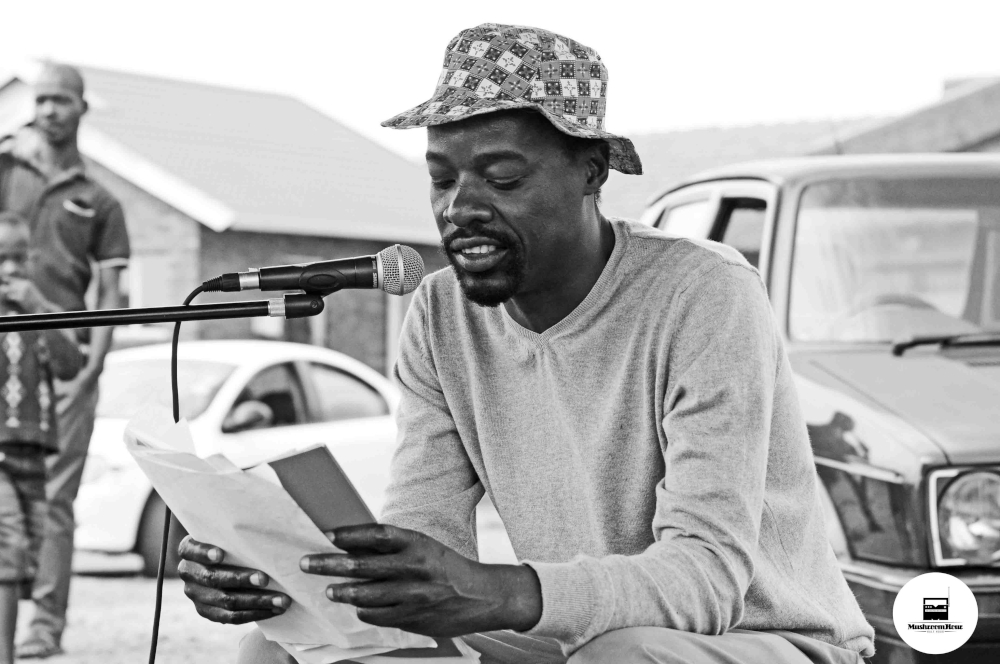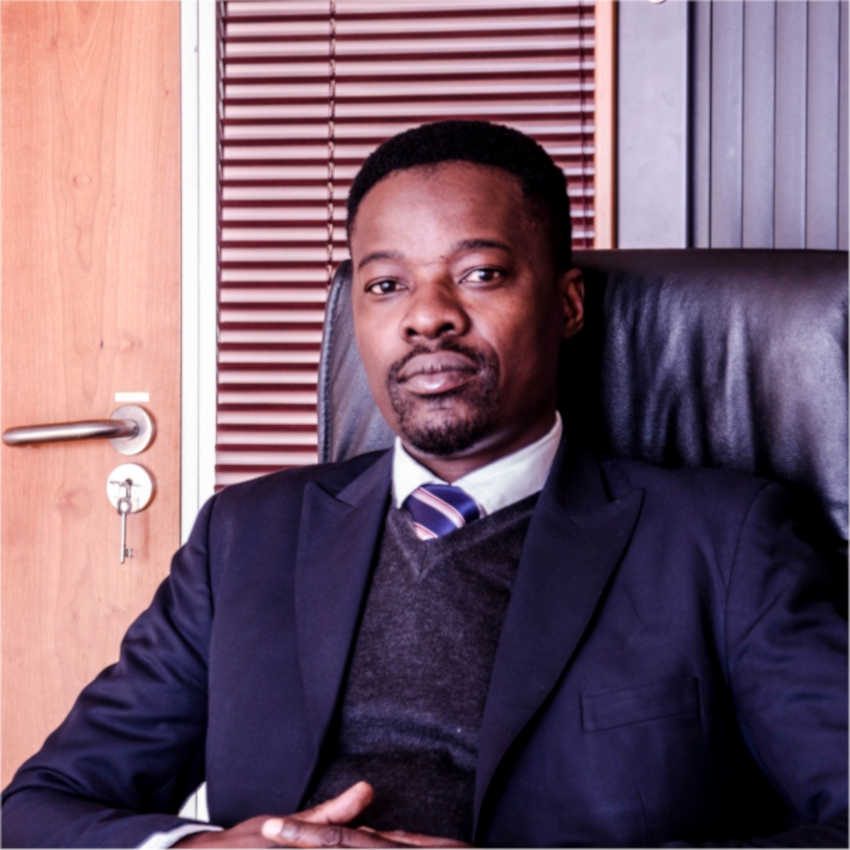
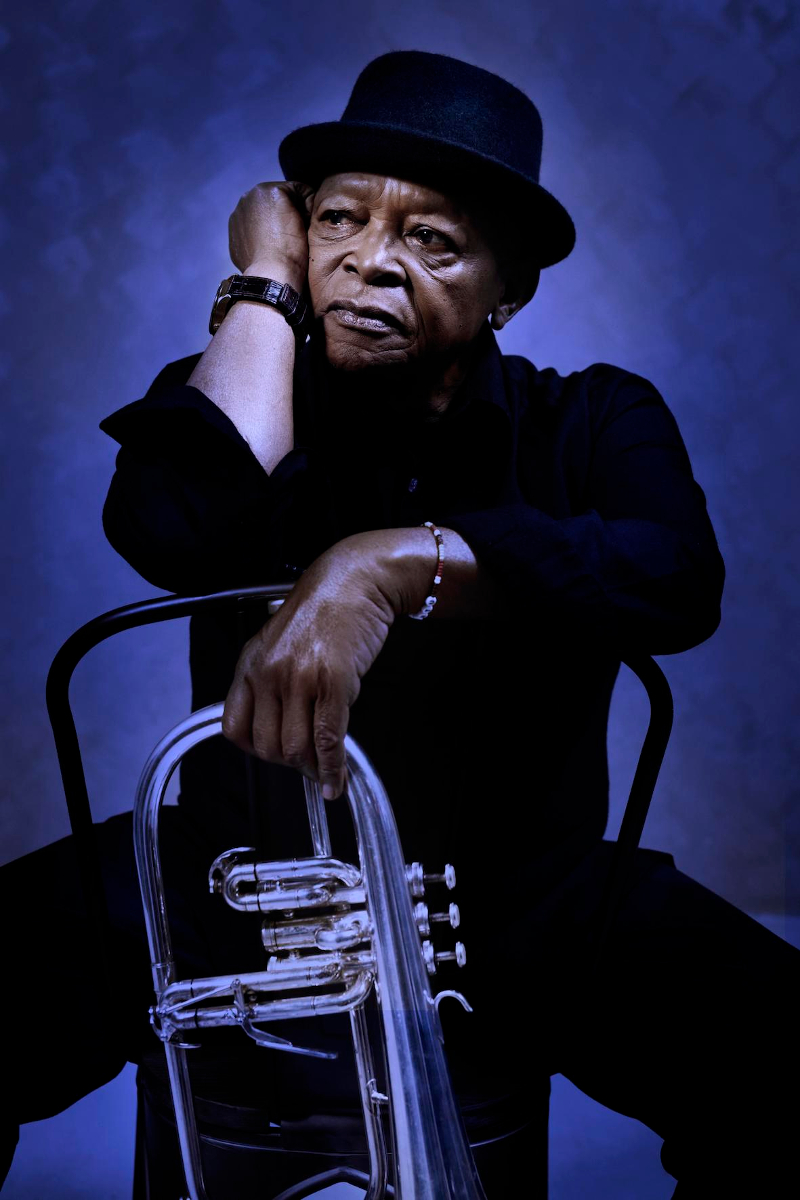
With just a few days left at the Soweto Theatre, the Hugh Masekela NO BORDERS Exhibition, in association with MusicTime! made brighter by MTN, is a loving tribute to the life, legacy and music of Bra Hugh. Featuring never-before-seen photographs and the trumpet he received from Louis Armstrong, the exhibition evokes the larger than life spirit of the man.
“We are very excited to partner with the Hugh Masekela Heritage Foundation for their Hugh Masekela NO BORDERS Exhibition. MTN has, for the past 25 years, played a crucial role in developing and promoting South African music, art and culture. As an African rooted company, it is our goal to associate ourselves with local brands and organisations that resonate with our customers and make locally relevant music available through our streaming app, MusicTime! We endeavour to provide customers with the benefit of a modern connected life.” Says Ernst Fonternel, MTN’s Executive for Digital Services.
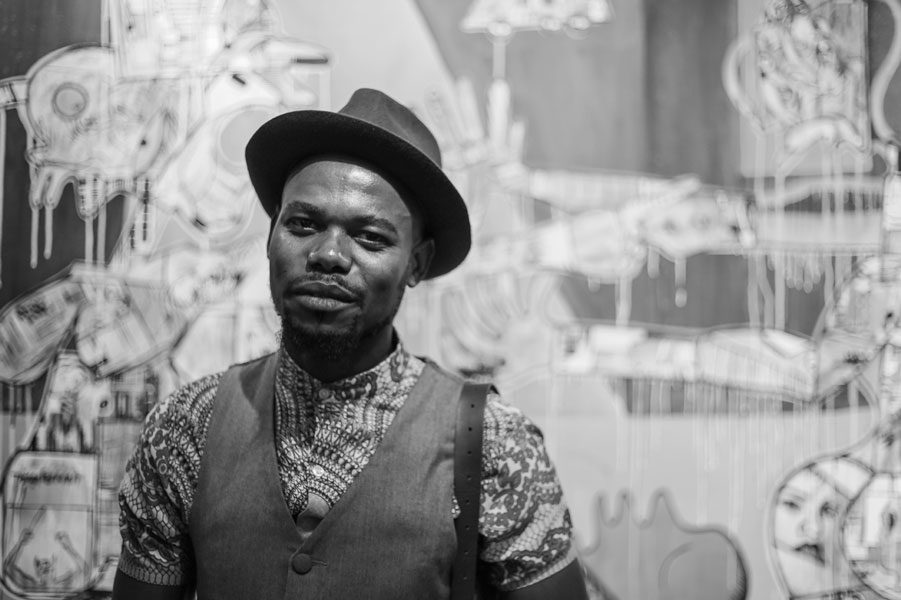
A notable inclusion in the exhibition is a multi-media installation, created by Botswana-based artist Moratiwa Molema, featuring live performances and interviews spanning his career. Molema is also responsible for the NO BORDERS map of Bra Hugh’s travels and the wall of music – a cross-selection of his album covers.
The exhibition at the Soweto Theatre opened on the 9th of October and will run until Saturday, November 9th, the day of the Hugh Masekela Heritage Festival. Come one, come all, bring Gogo and Oupa, and all the little children – come and celebrate the life and legacy of a man whose love for South Africa’s people and its culture knows NO BORDERS.” Says Mabusha Masekela who is one of the organisers of The Hugh Masekela Heritage Festival on the 9th of November outside at Soweto Theatre.
At 7pm on Friday the 8th of November the Hugh Masekela Annual Lecture will take place at Soweto Theatre. Dr Lindelwa Dalamba speak on the topic of Bra Hugh’s album Colonial Man: A musical critique of Imperial Colonialism. Dalamba teaches music history at the University of the Witwatersrand's School of Arts, Department of Music. She is an historian of South African jazz, focusing on its trajectory in South Africa and in exile (particularly in Britain) during apartheid. To attend people must RSVP to info@hmhf.co.za
At this year’s festival on the 9th of November Thandiswa Mazwai will pay tribute to her friend and mentor Hugh Masekela with selections from his repertoire, accompanied by the Hugh Masekela Band. The festival will feature Sjava, Sipho ‘Hotstix’ Mabuse, Madala Kunene, Thabang Tabane, Bombshelter Beast, Sun Xa Experiment, Luma and the BaTswana dance ensemble New Moon. The event will be MCd by poet Natalia Molebatsi. Gates will open at 12. Tickets are R200 at www.xtixs.com ,Selected SPAR, Jet, Edgars, and CNA stores via TicketPro and R250 at the gate