Loading...

Emhlabeni

Emhlabeni

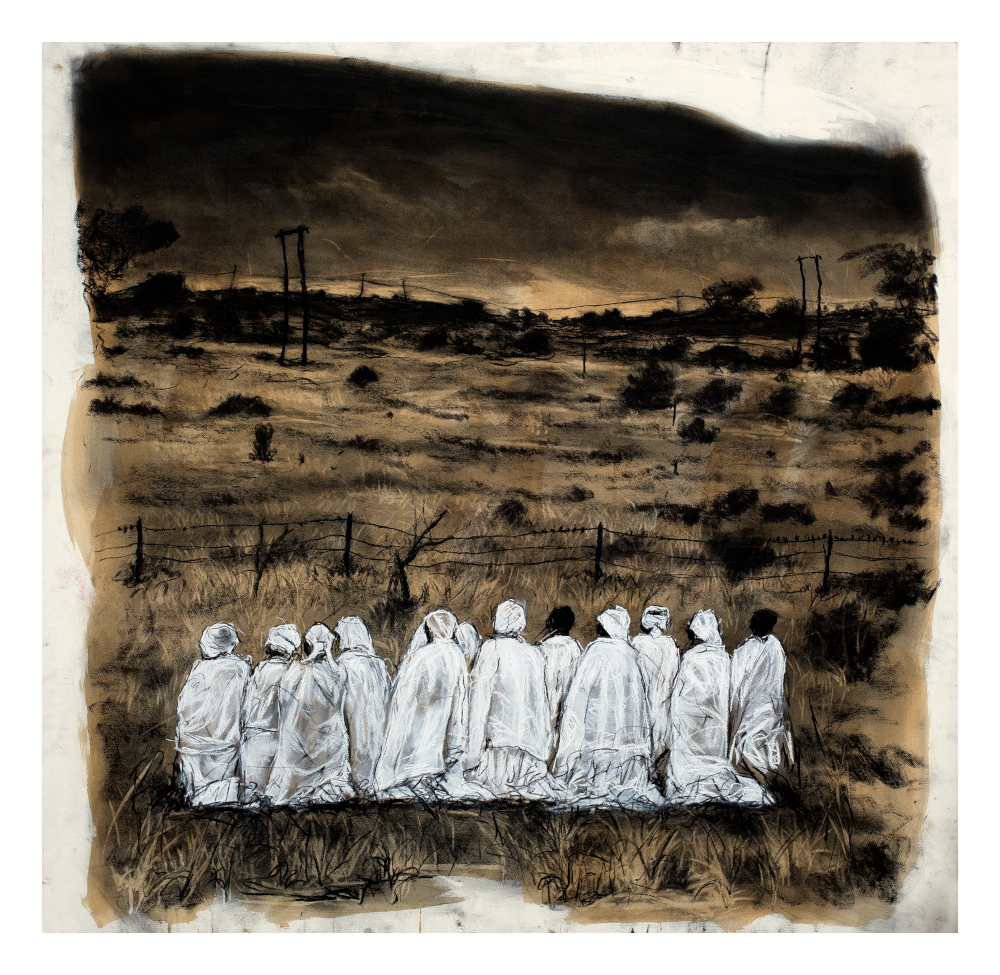
Emhlabeni reflects the social, political and spiritual landscape in current South Africa, and the understanding of land as identity. Using current news headlines as an entry into some of the injustice the landscape observes ‘Residents kill red ant’ Daily Sun April 11, 2019.
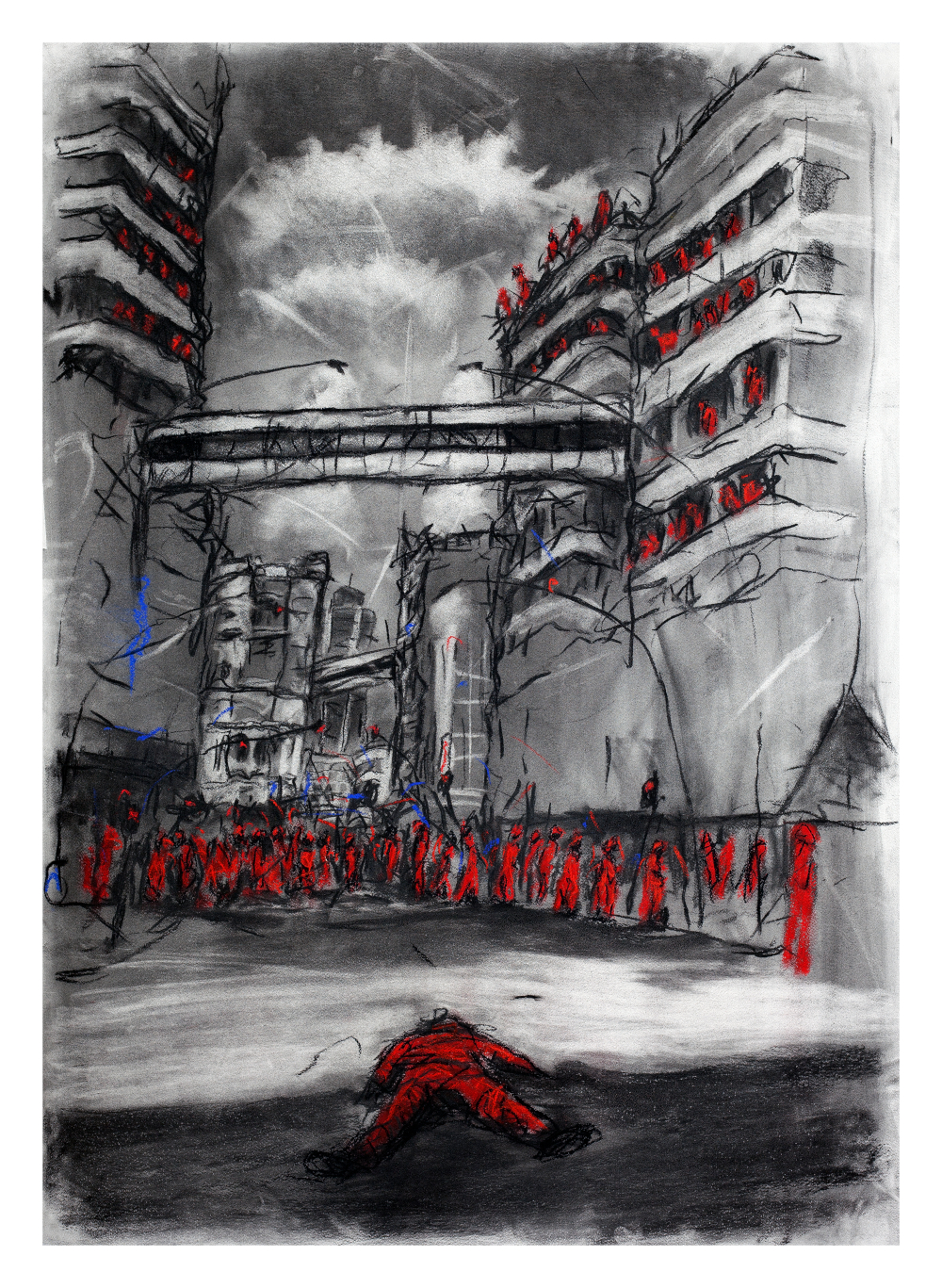
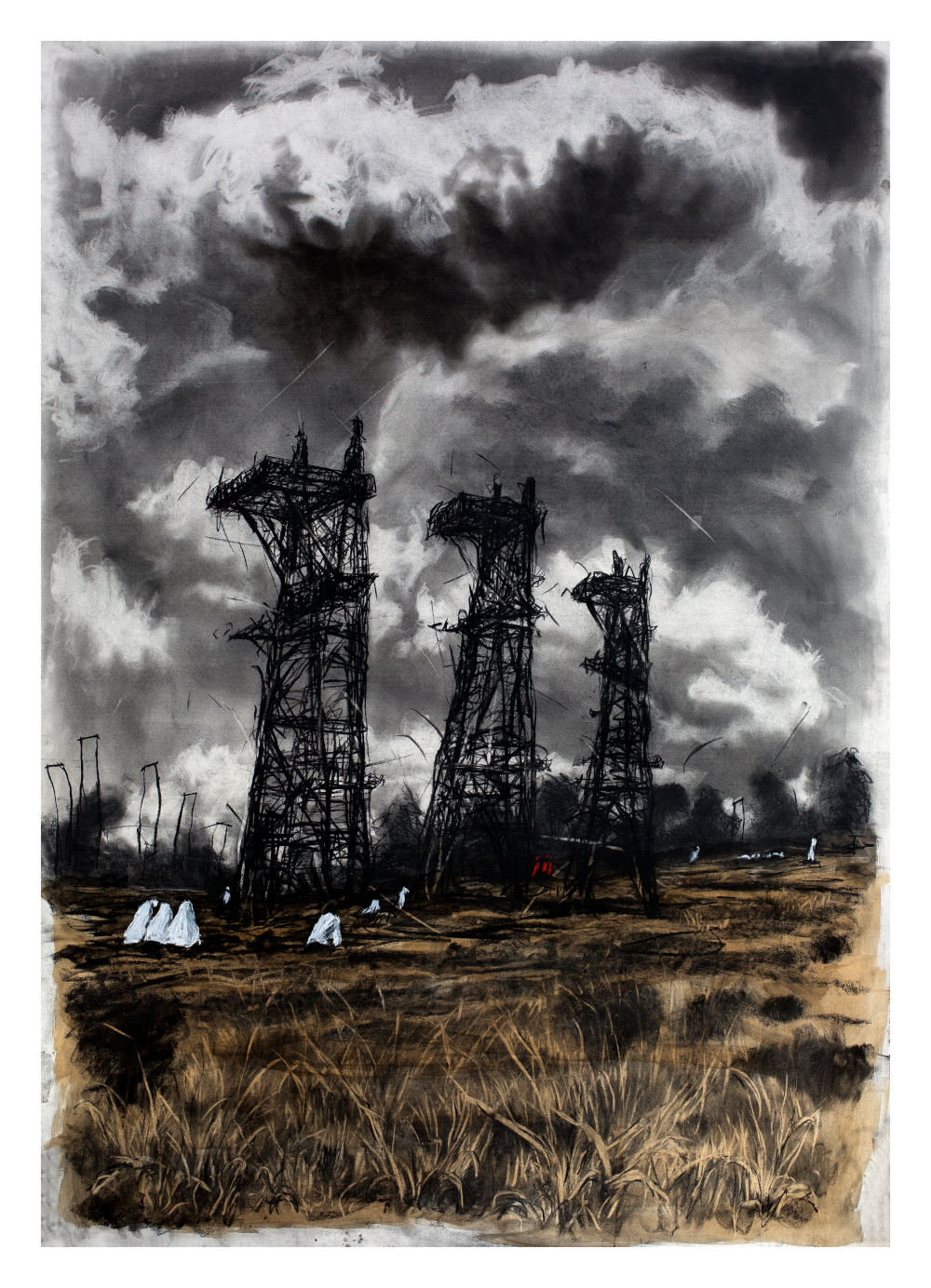
Emhlabeni which loosely translates to earth in English, carries far greater meaning in Isizulu, these meanings are made visible through the nuances expressed in the drawings, painting with coffee to mimic the earth and soil tones and use of vernacular titles. With the attempt to saturate the land, the artists look at umhlaba as a piece of land measured through the size of the drawings.
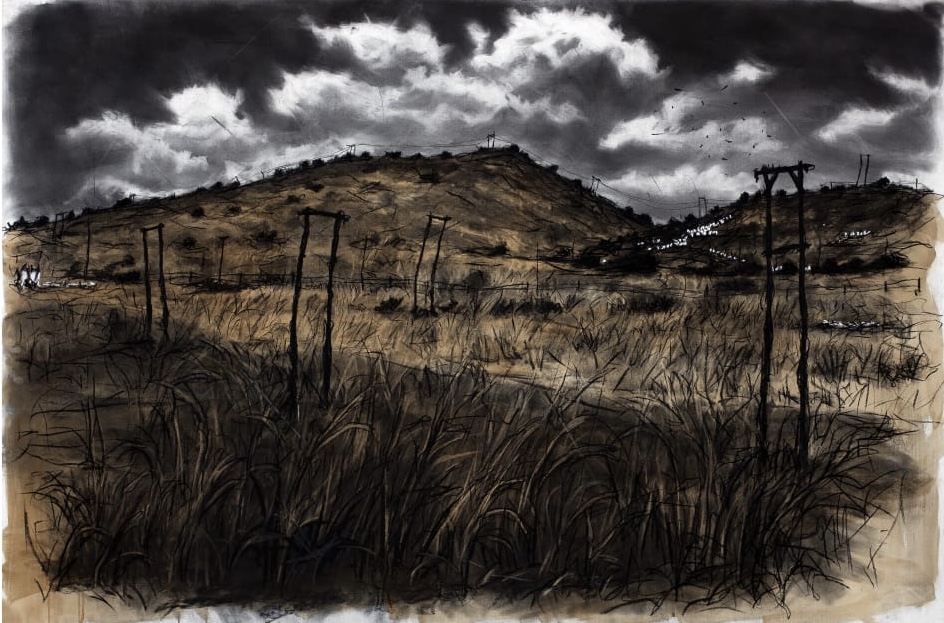
These renditions portray pieces of land as witnesses to the dispossession, illegal occupation as protest, loss of hope and yet through Baba Wethu Osezulwini (prayer) the artist depicts land as refuge, a space of faith and healing. Emhlabeni recognises local expression of faith, loss and hope often used in transit between spaces; kusemhlabeni la, kunzima emhlabeni but often one hears kumunandi emhlabeni.
Emhlabeni runs at Gallery 2 (Gallary2), 142 Jan Smuts Avenue, Parkwood.

Your Review

RATING

5928 VIEWS
2 Likes

Share To

Culture Reporter

Culture Reporter

YOU MIGHT ALSO LIKE
The Kyle Shepherd TRIO

The Kyle Shepherd TRIO

Kyle Shepherd is arguably one of South Africa’s leading progressive pianists, composers and band leaders of his generation. Internationally recognized for his distinctive compositional style & performances, Shepherd has made a huge impression on debut as a film score composer for the critically-acclaimed film, Noem My Skollie / Call Me Thief – South Africa’s official entry to the 2017 Academy Awards – for which he scored a nomination for the 2017 South African Film & Television Award [SAFTA] for Best Achievement in an Original Music Score in a Feature Film.

Jozi Satire and Comedy Fest

Jozi Satire and Comedy Fest

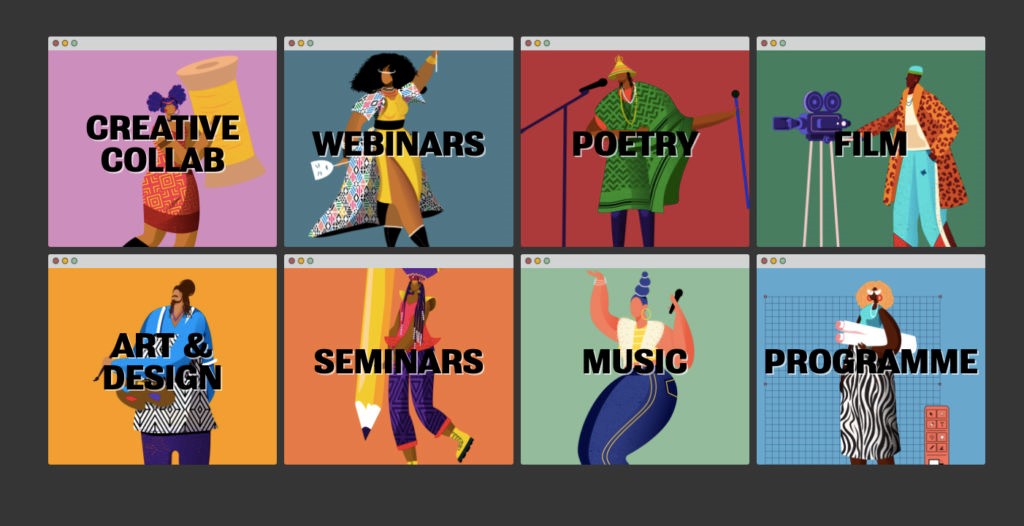
Speaking on the intended impact of the festival, STAND Foundation board member, Lesego van Niekerk shared; “The youth of 1976 rose up to claim their voices and their future. This weekend festival provides a platform for today's youth to share their insights, their fears and hopes using comedy and satire as their cultural weapons. We live in challenging times - comedy and humour help us to get through these times.”

IGAMA?

IGAMA?

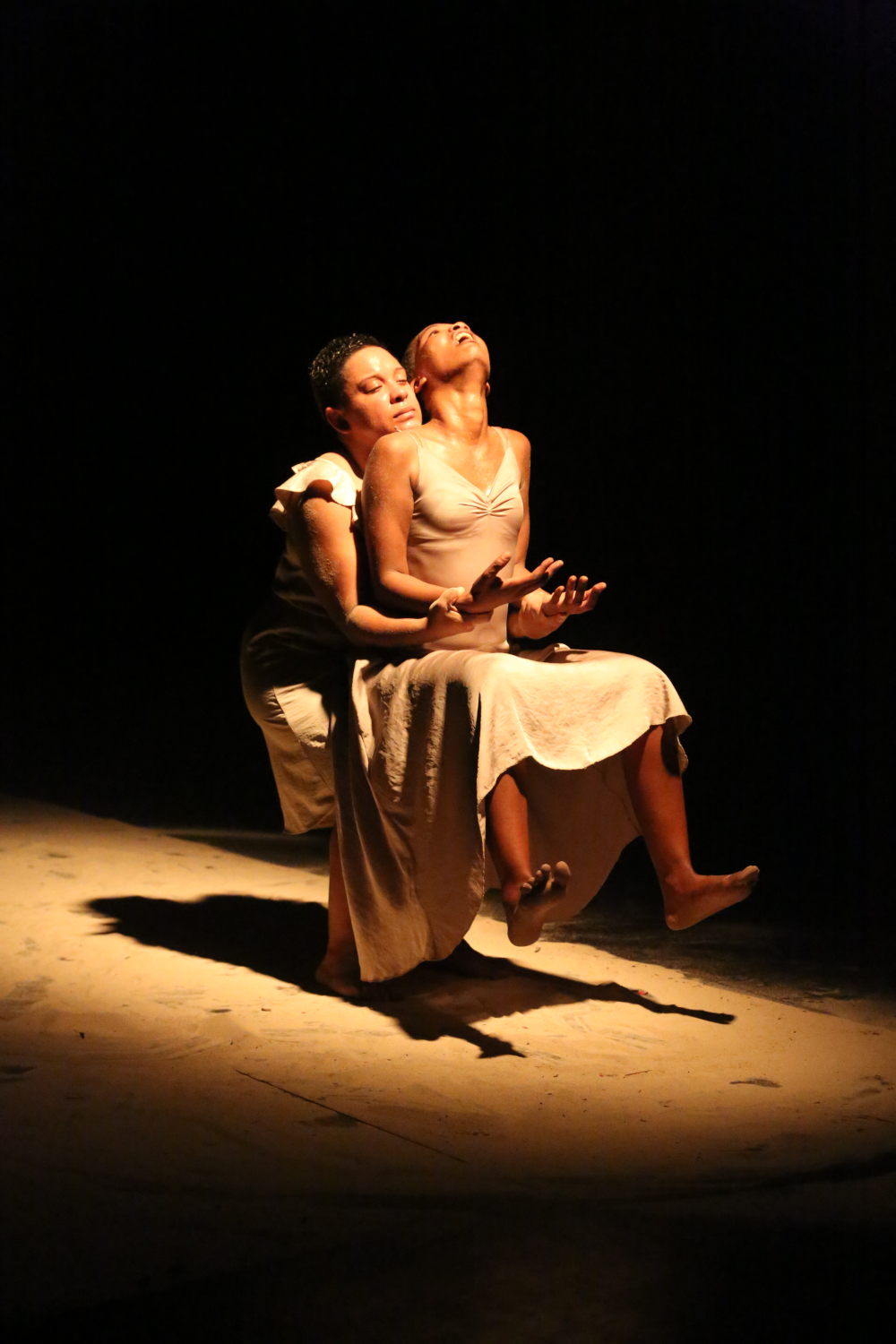
In the play, Mthembu ruptures linearity by disrupting theatrical time and space to simultaneously highlight why black women’s lived experiences are not linear. Mthembu finds that the dominating theatrical discourse of beginning, middle and end narrative structures of playwriting is far too limiting to speak to contemporary issues experienced by women.

comments
Go to TOP