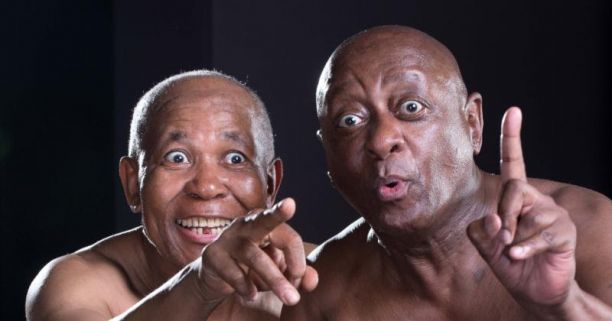
The Baxter Theatre Centre is proud to present THE ORIGINAL WOZA ALBERT, starring THE
ORIGINAL CAST Mbongeni Ngema and Percy Mtwa, who will grace the Baxter’s main stage from
5 February to 2 March 2019.
EARLY BIRD SPECIAL: Only R100 per ticket, for bookings before 31 Jan – don’t miss out, take advantage of this massive reduction! Book
here.
“A satire played with devastating energy in a brilliantly witty staging”
– Guardian
If you have any love of theatre, or faith in its power to move, then please, please don’t miss it”
– City Limits
South African theatre giants Mbongeni Ngema and Percy Mtwa reprise their original roles, which they created four decades ago, in one of the most brilliant classics, Woza Albert!, at the Baxter Theatre. This internationally acclaimed play, directed by Christopher John, is set to make local theatre history with this revival. At the height of apartheid, the two actors asked a simple question, “what would happen if Christ returned to present-day South Africa?” Ngema and Mtwa developed the stage play with renowned theatre-maker, Barney Simon. It went on to become a world-wide phenomenon and a celebrated example of hard-hitting political satire, touring the world during the late 1970s & ‘80s