Study @ Market Photo Workshop in 2021
Back in 1998, Market Photo Workshop alumnus, Themba Hadebe found himself in a decrepit Hillbrow alley strewn with what perhaps in hindsight was to become the new South Africa. Four years into the democratic project, municipal services were deteriorating, and i...
Back in 1998, Market Photo Workshop alumnus, Themba Hadebe found himself in a decrepit Hillbrow alley strewn with what perhaps in hindsight was to become the new South Africa. Four years into the democratic project, municipal services were deteriorating, and in that grimy alley, Hadebe trained his camera on a police detective. Black, blue shirt, black shoes, tie, and pants lined to a crisp. The detective stands over a suspect with his 9mm firmly rooted in his hands and aimed at a suspected robber on his knees, clad in a spoti, sneakers, jeans, and a striped shirt; hapless in the dirt. There is more to explore about that photograph and South Africa at the time, but column space is limited.

The photograph also garnered Hadebe a World Press Photo Award in 1998.
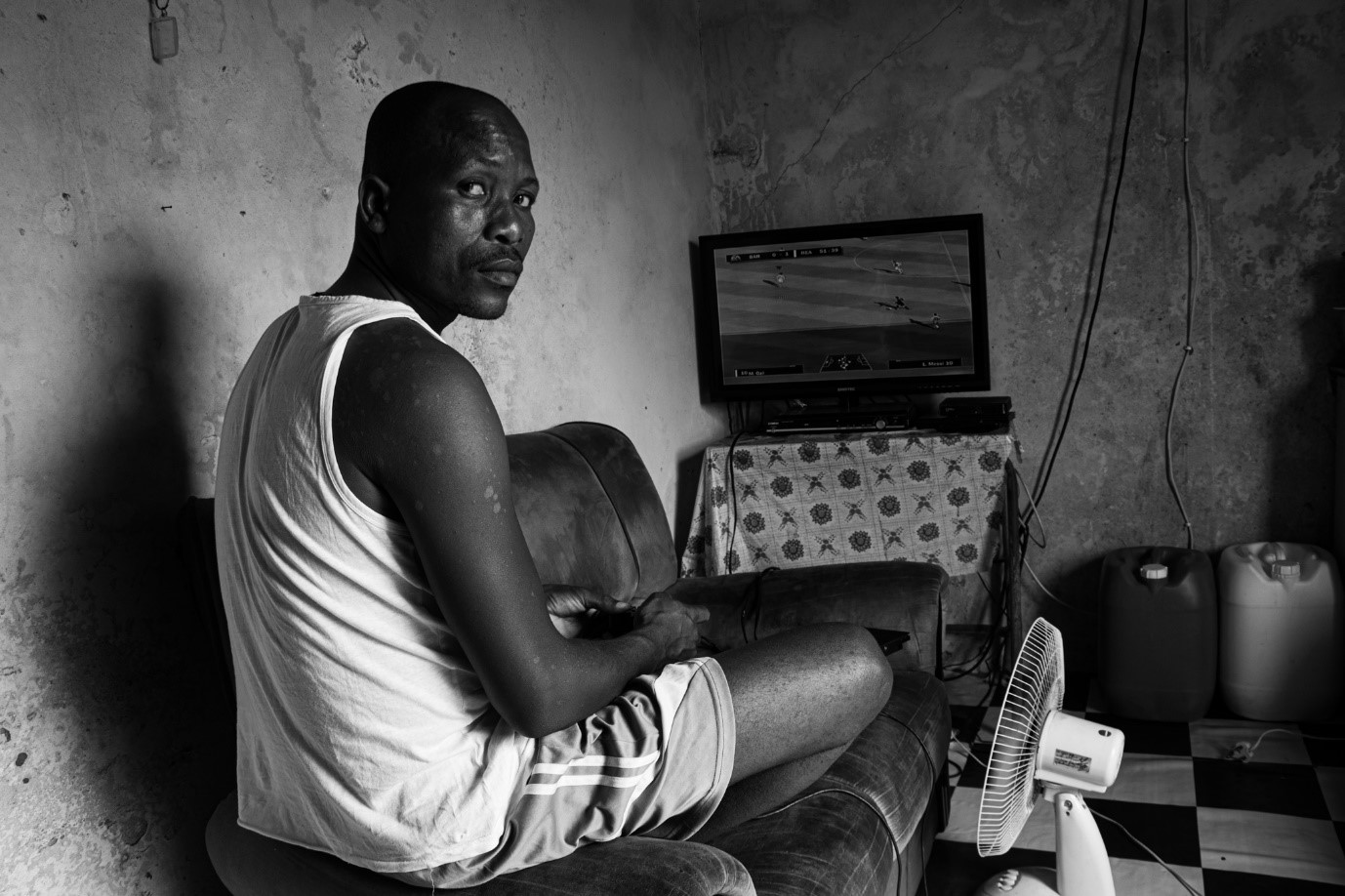
In 2020, Hadebe captured another image for the Associated Press (AP) that placed the Covid-19 pandemic in startling perspective for the most unequal society in the world. In the image, a man wears a shopping bag plastic on his face as a precaution against the spread of Corona Virus, on a street in Katlehong, east of Johannesburg.

Study at the Market Photo Workshop in 2021
With 31 years’ experience in developing world-class storytellers through the lens, the Market Photo Workshop has opened applications for its 2021 courses, with the final closing date set for January 15, 2021.
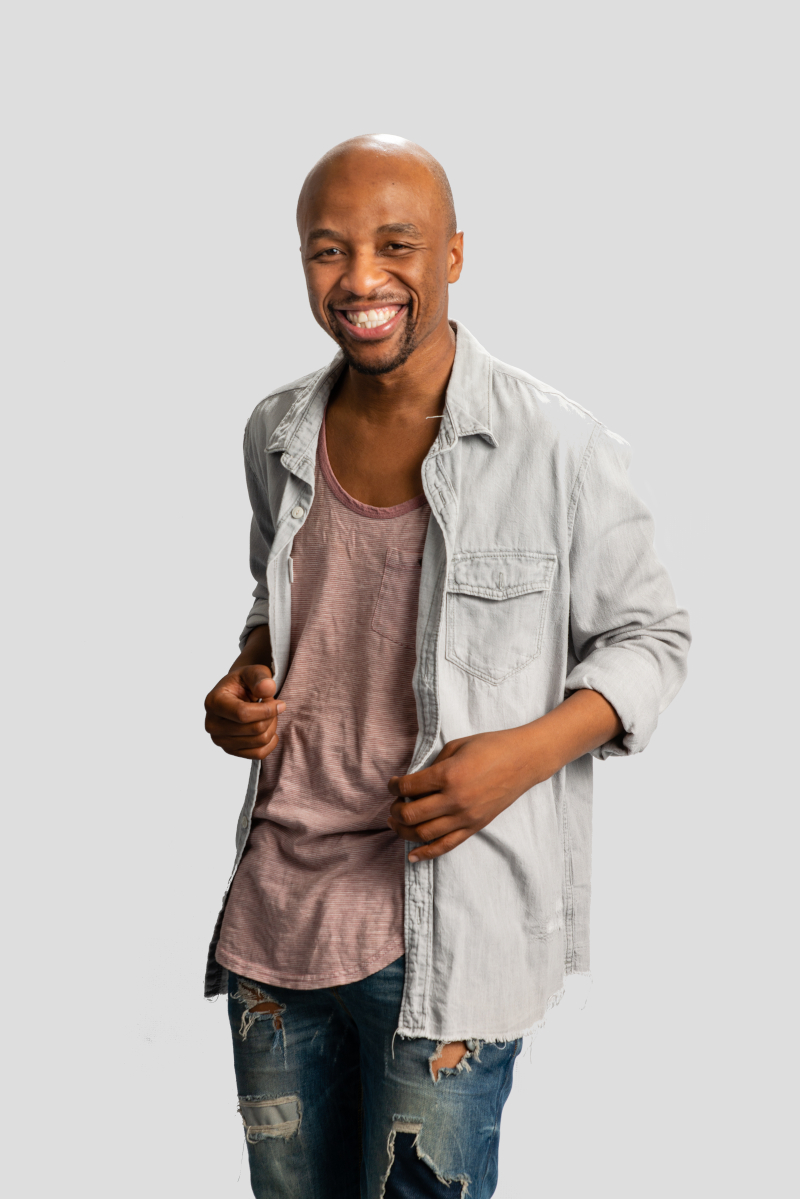
2020 Intermediate Course student, Senzekile Sangweni 22, from Meadowlands, Soweto, remembers being struck by how Market Photo Workshop mentors and trainers had genuine connections to people from every sphere of society when she enrolled at the school earlier this year.
“It was astounding how our facilitators had a far-reaching rapport with the people we worked on photographs with,” she says.
“Although I initially wanted to study film, I immediately felt at home at MPW and found my people – my tribe. Photography goes beyond capturing pictures but extends to your daily life. It teaches you to be patient, and perceptive of the environment around you. It has changed the way I view life.”
About Market Photo Workshop
 Kabelo Mpotoane
Photography has always been about the story, and Market Photo Workshop founder, David Goldblatt’s vision was to expand the reach of visual literacy to the neglected and marginalised parts of our society, thus increasing photographic voices to the unfolding story of South Africa.
Goldblatt’s vision is in progress, and the institution not only routinely produces technically sound world-class photographers, but critically astute persons who understand the weight and meaning of the camera and the work they produce. If there was a time to enrol for storytelling through the lens after the 2020 nightmare, then 2021 is the time.
For More Information, & Applications please visit: The Market Photo Workshop
Social Media
Follow Market Photo Workshop on Facebook and @_marketphotoworkshop on Instagram for instant updates.

About the author
Culture Reporter
Conversation
Comments
Comments are provided by Disqus and load only when you choose to open them.