Why Cognac Is Not Brandy
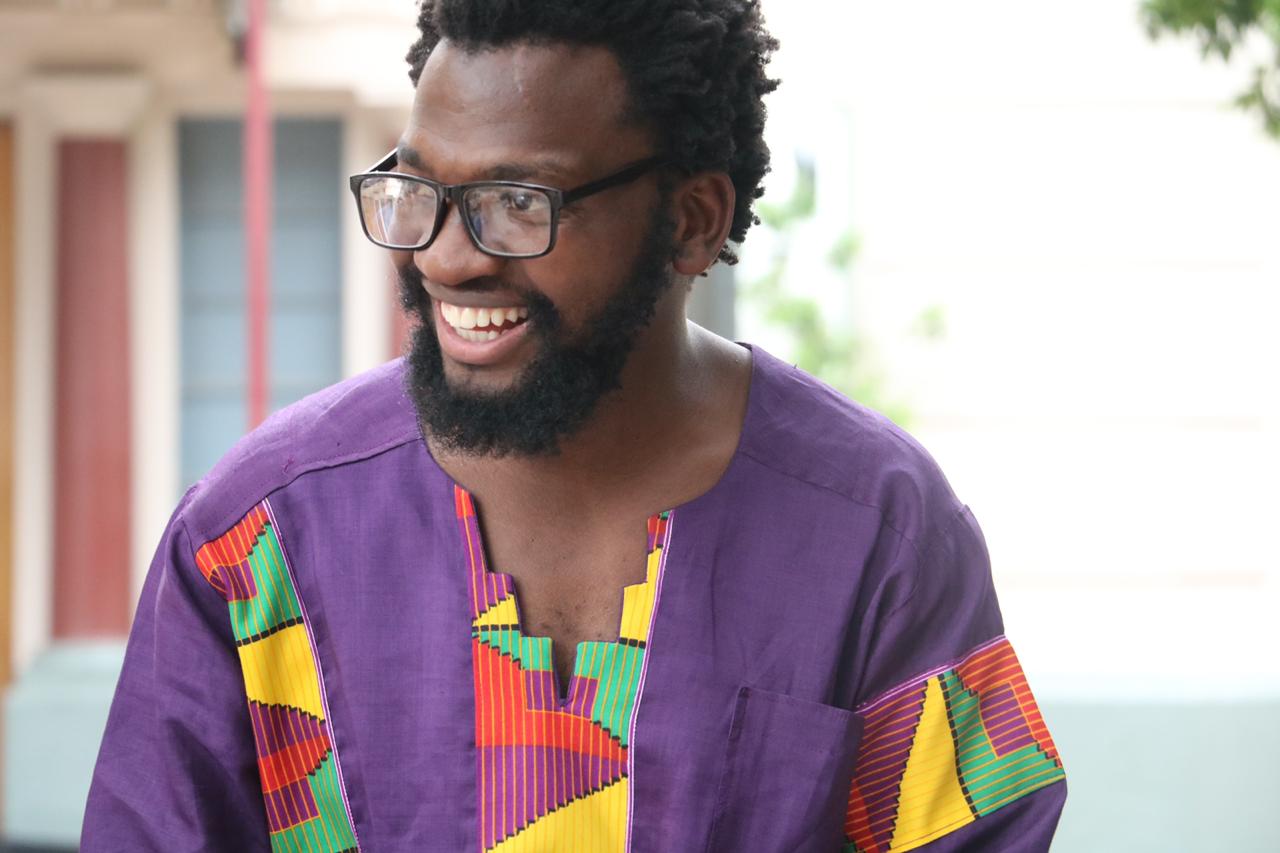
True to its French heritage, the bedrock of Martell's reputation is its profound legacy of craftsmanship and excellence, and the connoisseurs who recognise it. This is the view of Hussain van Roos, Martell Cognac Lifestyle Brand Ambassador for South Africa, wh...
Martell Cognac – the oldest of the world's great cognac houses – celebrates what sets this most elegant of spirits apart on June 4 in celebration of World Cognac Day. Cognac is the royalty of drinks and the apex of success and achievement, both characteristics that the House of Martell embodies.
True to its French heritage, the bedrock of Martell's reputation is its profound legacy of craftsmanship and excellence, and the connoisseurs who recognise it. This is the view of Hussain van Roos, Martell Cognac Lifestyle Brand Ambassador for South Africa, who says that World Cognac Day is the perfect occasion to celebrate what makes this special brown spirit different from brandy.
For a brandy to be called cognac, it must be made from specified grape varieties grown in the Cognac region in France,” says van Roos. “Regulated by law, cognac can only come from one region in the world. Brandy, on the other hand, refers to any spirit distilled from fruit-based wine – including grapes made anywhere else,” says Hussain.
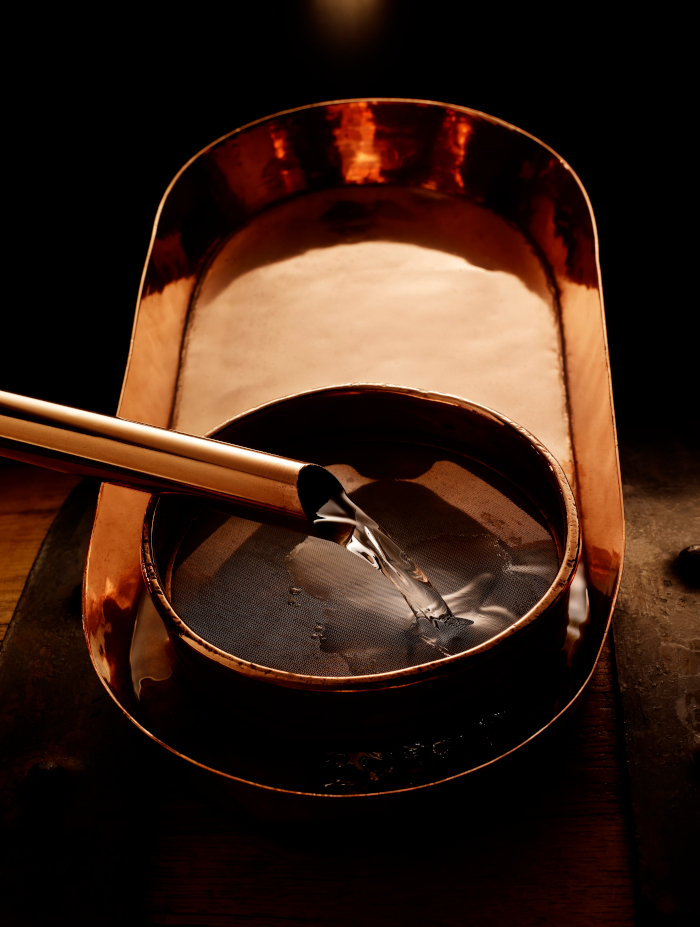
Cognac's distinction furthermore is that it is double distilled in copper pot-stills, explains Hussain. “Distillation is a highly delicate operation that requires the close attention of the Master Distiller and his team. To change the fruity wine into a perfect eau-de-vie, the time and temperature of the distillations must be precisely controlled. As it simmers away, the vapour rises up through the still head, passing through the swan neck and into the coil, where it condenses to form a clear, warm liquor.” In contrast, Brandy allows for both pot and column-still distillation, but the final blend must contain at least 30% potstill brandy.
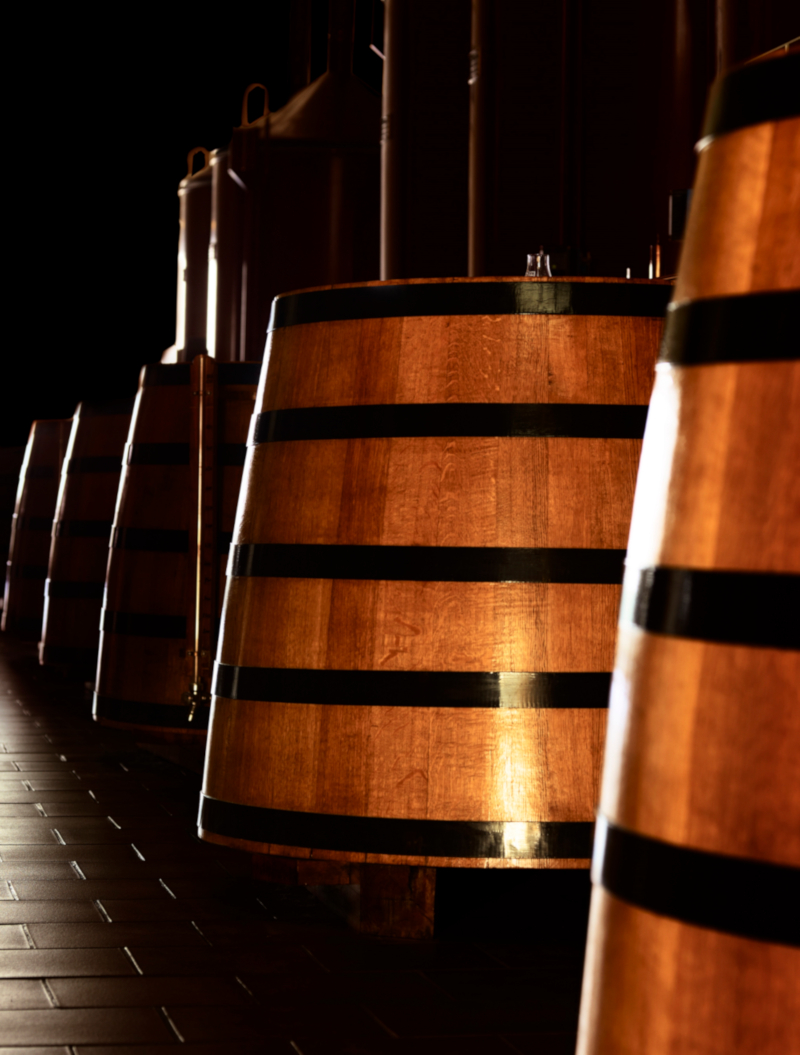
Cognac is aged for at least two years in Limousin or Tronçais oak barrels, whereas South African brandy must be aged for at least three years in barrels no larger than 340l and these are typically French oak.
Lastly, cognac must have an alcohol content of at least 40%, while SA brandy content is either 38% or 43%. He says, “Alcohol influences flavour, or how flavour is perceived. A good balance is an indication of a fine cognac.”
Simply put, cognac is unique,” concludes van Roos. “On World Cognac Day, Martell celebrates all those who’ve boldly followed their passion on a courageous journey to change the game. The knowledge and skill of Martell's Cellar Masters have been passed down to create the unique Martell style: elegant, complex and balanced.”

About the author
Culture Reporter
Conversation
Comments
Comments are provided by Disqus and load only when you choose to open them.